Must-see places
Suggested itineraries
Explore Our Region: Recommended Tourist Routes to Discover and Cherish the Local Heritage.
Urban Path
Historical Itinerary of Morro d’Alba: Art, History, and Tradition
A fascinating journey through the historical and cultural beauties of Morro d’Alba, a medieval historic town/village (borgo) famous for its walls, underground tunnels, and the Lacrima di Morro d'Alba wine. This itinerary will guide you through the most significant places in the town, amidst panoramic views, ancient churches, and a unique food and wine experience.
Distance: Approximately 2–3 km (easy and suitable for everyone)
Duration: Approximately 2 hours (+ time for tasting)
Ideal for: lovers of history, art, and food and wine tradition
Why choose this itinerary?
Discover a charming medieval historic town
Simple route suitable for everyone
A mix of art, history, and local traditions
Tasting of the famous Lacrima di Morro d’Alba wine
Historical or naturalistic trails
Saint Amicus – Saint Patrignano Round Trip
Why choose this itinerary?
Scenic Route: Ideal for photography and nature lovers.
Immersion in Food and Wine Tradition: Includes stops at local wineries/cellars.
History and Culture: Features visits to historic churches and villages (borghi).
Suitable for Everyone: No specific technical difficulties.
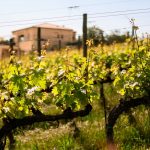
Beautiful Route and Breathtaking Views: Passes through vineyards, wineries, and small rural churches.
Path through Rarely Used Trails: Where it is easy to encounter wild animals. Suitable for photography enthusiasts. A variant is possible by returning via S. Patrignano.
Experiences
A journey through art, history, and local traditions.

Village Shopping
"BorgoShopping" is the name of an innovative project aimed at transforming the historic center of Morro d’Alba into a Natural Shopping Center. Unlike traditional shopping malls, this initiative is not a single physical structure but an integrated system that enhances and showcases the town’s existing heritage.
Key Points of the Project:
Main Objective: To enhance and support local commerce, artisan shops, and traditional producers, while preserving the authenticity and charm of the medieval village.
How It Works: BorgoShopping connects shops, artisans, restaurants, and visitor centers, creating a collaborative network that promotes the local economy and fosters social interaction.
Funding: The project has been supported by regional contributions and specific public investments, such as improvements in lighting and other measures to enhance the village.
Visitor Experience: BorgoShopping invites visitors to experience Morro d’Alba in a unique way, combining shopping with tasting local products, exploring historical heritage (including the ancient walls and the “Utensilia” museum), and participating in cultural events. The initiative aims to promote experiential tourism in the village, which is a
10 Things to Do and See in Morro d’Alba, the Village of Lacrima Wine
Morro d’Alba is a village in the province of Ancona, nestled among rolling hills. A perfect destination for those looking to discover the hidden beauty of the Marche region, it is also part of the “I Borghi più Belli d’Italia” (Italy’s Most Beautiful Villages) club.
The term “Morro” likely comes from murr, meaning height or rock, as the village is situated on a hill in a strategic and panoramic location. “Alba” was added after 1862. The village’s oldest name was Castrum Murri, or Castle of Morro.

Routes through the Lands of Lacrima
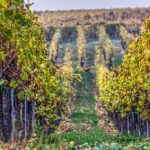
In Morro d’Alba, the landscape is not simply admired: it is experienced step by step.The Routes through the Lands of Lacrima invite visitors into the heart of a unique territory, where the profile of the hills, the vineyards of the renowned Lacrima wine, and the charm of the historic village come together in a slow, authentic, and engaging experience.
This is a proposal designed for those who love nature, food-and-wine tourism, and direct contact with the rural identity of the Marche region. The routes cross countryside, vineyards, white roads, panoramic paths, and small places of worship, offering beautiful views and opportunities for discovery in every season.
The offer includes both the Agricom Triponzio-Esino itineraries, created within a collaborative framework among local municipalities to promote agritourism activities, and the actual excursion routes through the Lands of Lacrima, with trails of varying length and difficulty, suitable for different types of visitors. Among the marked routes are, for example, Pozzo Buono – Gualdicciolo, Piedesanta – Sant’Amico, Cupetta – Filonzi – Santa Maria, as well as itineraries such as Guadicciolo – Pozzo Buono, Sanguineti – San Bonaventura, San Patrignano – Agricom S. Amico, and Pozzo Buono – Laureto.
This network of excursions makes it possible to create tailor-made experiences:an easy walk through the vineyards, a more immersive route with climbs and breathtaking views, an outing dedicated to photography, or a full day enriched by wine tastings, winery visits, and stops at local food venues. The Lands of Lacrima are therefore promoted as a place to be experienced through hospitality, cuisine, wine, and outdoor activities.